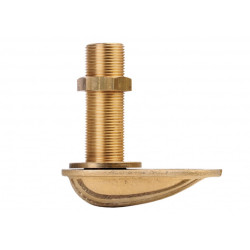
In any marine vessel, maintaining the engine’s cooling system is critical to ensuring reliable operation and preventing costly breakdowns. Two key components in this system are intake strainers and seacocks. These devices work together to protect the engine from debris and control the flow of seawater into the cooling system, playing an essential role in keeping marine engines running smoothly.
What Are Intake Strainers?
An intake strainer is a mesh or perforated screen fitted over or inside the seawater intake pipe on a boat’s hull. Its primary function is to prevent debris, seaweed, plastic, and other foreign objects from entering the engine cooling system. This is crucial because such debris can clog the cooling passages, reducing water flow and causing the engine to overheat.
Intake strainers are usually made from corrosion-resistant materials like stainless steel or plastic and are designed to be easily removable for cleaning. They come in different sizes and mesh ratings, depending on the size of the intake and the environment where the boat operates.
What Are Seacocks?
A seacock is a valve installed on the hull or below the waterline that controls the flow of seawater into the boat. It acts as an on/off switch for seawater intake and provides an important safety function—allowing the operator to quickly shut off the water supply in the event of a leak or other emergency.
Seacocks come in various designs, including ball valves, gate valves, and bronze or marine-grade plastic construction. Proper installation and regular maintenance are vital to ensure they operate smoothly and seal completely when closed.
How Intake Strainers and Seacocks Work Together
The seawater cooling system typically draws water through a seacock valve, which then passes through an intake strainer before reaching the engine’s heat exchanger or raw water pump. The seacock allows the operator to start or stop water flow, while the intake strainer filters out harmful debris.
By working in tandem, these two components:
- Protect the engine cooling system from blockages and damage.
- Enable safe control over seawater intake to prevent flooding or leaks.
- Ensure optimal cooling by maintaining a steady, clean flow of seawater.
Importance of Maintenance
Both intake strainers and seacocks require regular inspection and maintenance to function effectively:
- Intake Strainers: Should be checked frequently, especially after sailing in debris-prone or shallow waters. Cleaning the strainer prevents clogging and ensures adequate water flow.
- Seacocks: Must be operated periodically to prevent them from seizing. Corrosion or marine growth can cause valves to stick, which could be dangerous in an emergency.
Choosing the Right Components
When selecting intake strainers and seacocks, boat owners should consider:
- Material Quality: Marine-grade stainless steel, bronze, or reinforced plastics offer better corrosion resistance.
- Size and Compatibility: Components should match the intake size and flow requirements of the engine.
- Ease of Access: Both should be installed where they are easy to inspect and maintain.
Conclusion
Intake strainers and seacocks may seem like small parts, but they are essential for the protection and efficiency of marine engines. Proper filtration of seawater prevents overheating, while reliable seacocks offer crucial safety control over water ingress. For boat owners, regular maintenance and choosing the right components mean fewer engine problems and a safer, more enjoyable boating experience.