For LED displays that operate continuously over extended periods, one of the most commonly observed issues is the inconsistency of color and a gradual decrease in brightness. This problem is particularly evident in environments where large LED video walls are required to operate for long hours, such as control rooms, LED digital signage, broadcast studios, and indoor events. In fixed LED displays for indoor & outdoor events, maintaining color consistency is especially critical, as these screens are often relied upon for high-impact visuals throughout extended sessions. Users often notice that some areas of the screen appear dimmer, while others may exhibit color shifts, with certain sections appearing slightly redder, greener, or bluer than intended. These variations not only affect the visual quality but can also reduce the effectiveness of high-brightness LED displays in applications that require precise color rendering and uniform brightness.
The root causes of color inconsistency and brightness decrease are multifaceted. One major factor is the thermal behavior of the LED modules themselves. As LEDs operate, they generate heat, and uneven heat distribution across the display can lead to differential aging of the diodes. Over time, this uneven thermal load can result in certain pixels or sections of the screen losing brightness faster than others and exhibiting color shifts. Additionally, backlight degradation, phosphor aging, and variations in the materials used in LED manufacturing can contribute to gradual color and luminance changes. External factors such as ambient temperature, prolonged high brightness settings, and irregular power supply can further accelerate this effect. Even with careful calibration at the time of installation, these influences can cause the display to gradually drift from its intended color accuracy and brightness levels. For applications such as outdoor digital signage or LED displays for conference rooms, such inconsistencies can diminish audience engagement and visual clarity.
Preventing these issues requires a combination of proper design, maintenance, and operational practices. Regular LED screen calibration can help ensure that LED color consistency remains high, while controlling operating temperatures through adequate ventilation or cooling can reduce uneven thermal stress. Using high-quality LED modules and components that are designed for long-term operation can minimize degradation over time. Additionally, monitoring the power supply for stability and avoiding prolonged operation at maximum brightness settings can further extend the display’s consistency and overall lifespan. Implementing these measures ensures that indoor LED display screens maintain their visual performance over time and reduces the likelihood of noticeable color and brightness degradation.
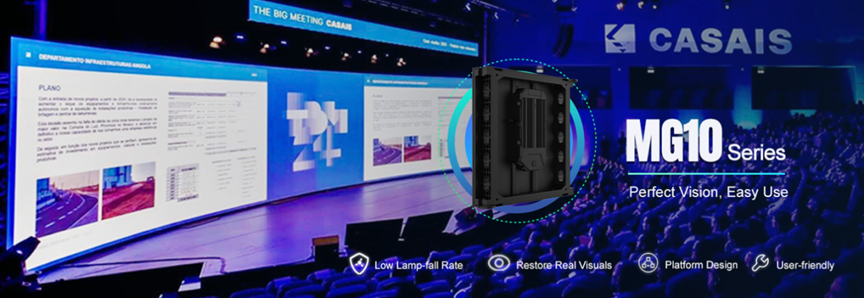
YES TECH addresses these challenges with its MG10 series, which incorporates advanced thermal compensation technology. The Thermal Compensation Technology in MG10 indoor rental LED displays is fully adaptive, designed to counteract the reddish and bluish-green color shifts that occur due to uneven heat dissipation across the screen. By dynamically adjusting for thermal variations, the system ensures more uniform color reproduction and stable brightness, providing a consistent and visually accurate display even during long-term operation. This technology is particularly valuable for indoor advertising LED display screens and stage LED display screens, where maintaining precise color consistency throughout extended usage is essential for a premium viewing experience.