In the realm of landscape and civil engineering, efficient water management is crucial. One of the key components in achieving this is the selection of appropriate drainage pipes. LESSO Malaysia offers a range of options that cater to different project needs. This article explores the various materials available, their flow performance, and the environmental considerations involved.
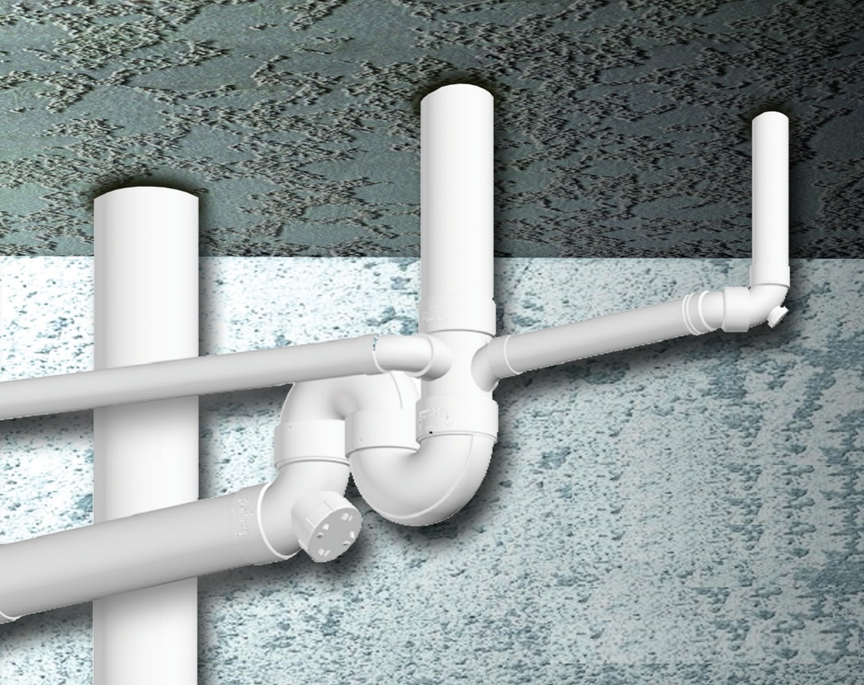
Material Comparison: PVC vs. HDPE
When it comes to drainage pipes, two popular materials are PVC (Polyvinyl Chloride) and HDPE (High-Density Polyethylene). Each material has distinct properties that can influence their performance in various applications.
PVC Pipes
PVC pipes are widely used due to their affordability and ease of installation. They are resistant to corrosion and can handle a variety of chemicals, making them suitable for numerous applications. Additionally, PVC pipes offer a smooth interior surface, which enhances flow performance by reducing friction. However, they can be less flexible than other materials, which may be a consideration in areas with shifting soil.
HDPE Pipes
On the other hand, HDPE pipes are known for their flexibility and durability. They are particularly effective in areas prone to ground movement, as they can withstand stress without cracking. HDPE also boasts a high resistance to impact and environmental stress. Although typically more expensive than PVC, their lifespan can make them a cost-effective choice in the long run, especially for larger projects.
Flow Performance
Flow performance is a critical factor in drainage systems. The design and material of the pipes significantly influence how efficiently water can be transported. Both PVC and HDPE pipes have excellent flow characteristics, but their performance can vary based on diameter and installation practices. LESSO Malaysia emphasizes the importance of proper sizing and installation to maximize flow efficiency, ensuring that projects meet their intended water management goals.
Environmental Considerations
As environmental concerns become increasingly significant, the sustainability of drainage materials is a vital consideration. Both PVC and HDPE can be recycled, but their environmental impacts differ. HDPE is often seen as the more eco-friendly option due to its lower carbon footprint during production and its longer lifespan. LESSO Malaysia is committed to promoting environmentally responsible practices, making HDPE a preferred choice for many eco-conscious projects.
Conclusion
Choosing the right drainage pipes is essential for effective water management in landscape and civil engineering projects. By understanding the differences between materials like PVC and HDPE, along with their flow performance and environmental considerations, project managers can make informed decisions. LESSO Malaysia provides a variety of high-quality drainage solutions, helping to ensure that water management systems are both efficient and sustainable.